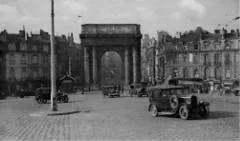
In Bordeaux, where the air smells like wine and gossip, a housewife pours a cup of anise tea—and everything curdles.
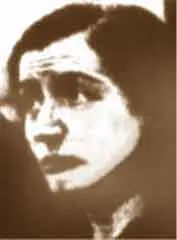
Meet Gabrielle Mairiné: model wife, café queen of Rue des Faures, and the last person you’d suspect of murder. As a schoolgirl she learned that some flowers heal and some flowers kill. Years later, in a city still shaking from the Great War, she finds a lover, a manual of toxicology, and the perfect delivery system hiding in plain sight. One spoon of sweetness. One drop of digitalis. No fingerprints. Almost no trace.
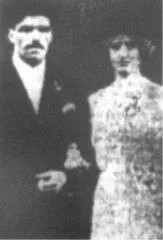
Poison Flowers is the story of how ordinary turns lethal. A mother who meddles. A husband always on the rails. Two men who think they’re in control and one woman who decides she is. First comes a “natural” death that nobody questions. Then a second—the kind that leaves a room smelling of lavender and a widow smiling too easily. Doctors miss it. Neighbors whisper. Someone writes an anonymous letter. And suddenly Bordeaux’s Fort du Hâ has a new prisoner and the city has a scandal it can’t stop talking about.
The trial is pure theatre: doctors explaining why the poison vanishes, witnesses replaying the anise tea, prosecutors laying out a method so simple it feels inevitable. Did she do it for love? For freedom? For the thrill? Every answer is worse than the last—and every page turns like the tightening of a tourniquet.
Based on a true case and told with cool, clear precision, Poison Flowers lets you lean close enough to smell the steam rising from the cup. It’s intimate, unsensational, and terrifying in the way only domestic murder can be. Think true crime with a novelist’s timing and a historian’s eye for street names, cafés, and courtrooms.
Come for the atmosphere—spires, bridges, the heartbeat of a working-class café. Stay for the slow, irresistible slide from temptation to technique. And when the blade finally drops, ask yourself the book’s most unsettling question: how many sips would it take before you tasted the poison?