Book Reviews
“‘Isn’t it dangerous to test a vaccine that’s still in the experimental phase on human beings, even if they are detainees?’
‘They aren’t detainees, just Poles. And Poles aren’t human beings,’ Dr. Gräfe snapped.”
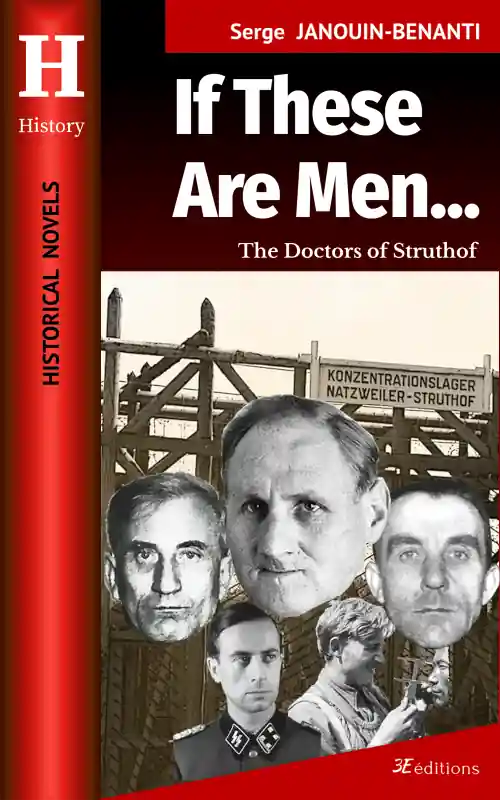
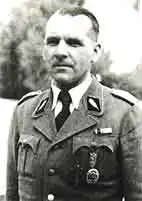
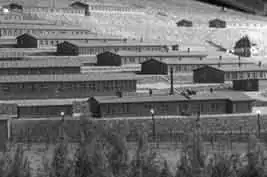
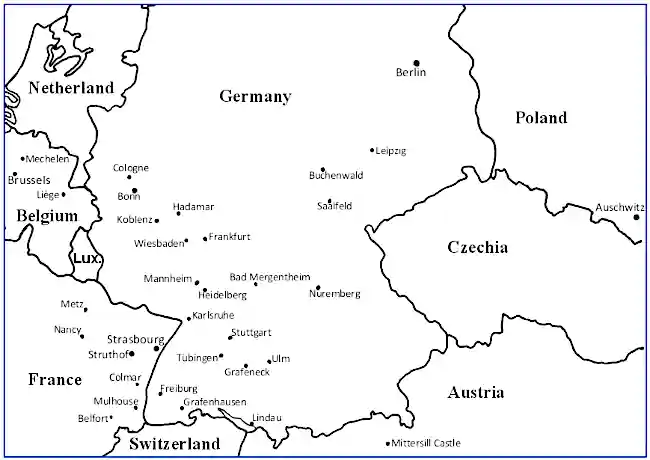
In April 1943, Professor Eugen Haagen decided to leave the Medical University of Strasbourg and continue his research and experiments in virology at the Natzweiler-Struthof concentration camp. By the beginning of the 1930s, he was already recognized around the world for his work on viruses and vaccines. He’d gotten a contract with the Rockefeller Foundation in New York, been nominated for a Nobel Prize for his scientific research, and worked in a research institute in Berlin. He decided to pursue his studies on typhus and other contagious diseases in order to develop a vaccine, one no longer made using dead bacterial cells but rather live ones. [...]
I cannot emphasize enough the significance of this work, which contains a handbook of images, at a time when the values of humanism are disappearing, and when the voices of racists and Holocaust-deniers are growing louder and louder.”
Paul Maugendre, Les lectures de l’oncle Paul (April 23, 2012)
Here is a book that stares straight into the abyss of medicine gone monstrously wrong—and insists we keep looking. Serge Janouin-Benanti’s historical novel If These Are Men… – The Doctors of Struthof reconstructs, with patient, almost forensic care, how eminent physicians from the University of Strasbourg turned the Natzweiler-Struthof concentration camp into a laboratory for “research” that stripped people of their humanity. Built from archives, survivor testimony, and court records yet told with the momentum of a novel, it’s accessible, gripping, and deeply unsettling. The English translation by Eva N. Siskowski Boatwright is clear, calm, and unobtrusive—exactly the tone a story like this needs. “This novel was inspired by true events,” the book declares up front; the promise is kept on every page.
Why you’ll want to keep turning pages
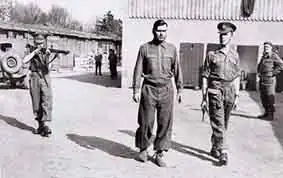
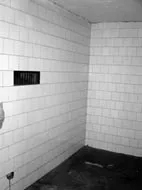
- It’s built like a thriller, sourced like a dossier. You feel the clock ticking in 1943–44, the turf wars among SS directorates, and the scramble for “results,” even as documents and photographs in the back matter ground the story.
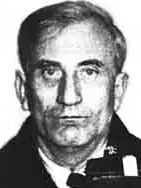
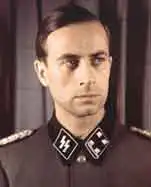
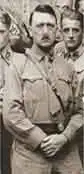
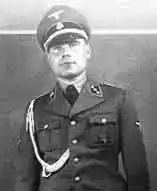
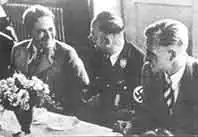
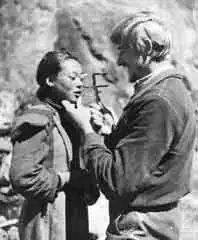
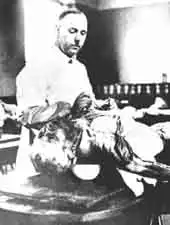
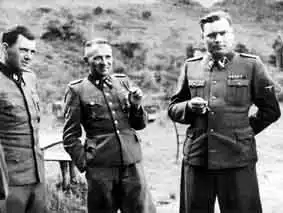
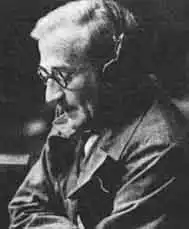
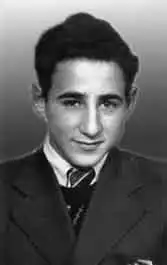
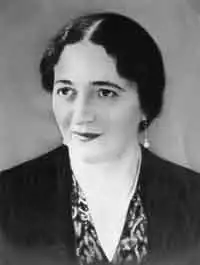
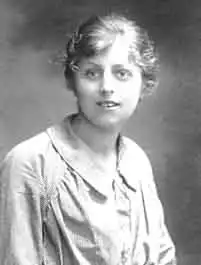
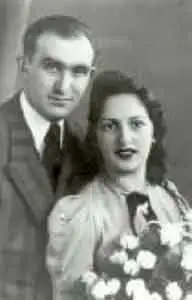
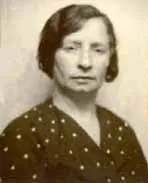
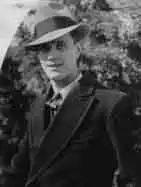
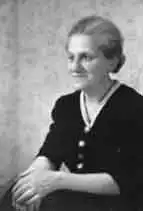
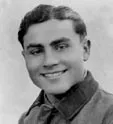
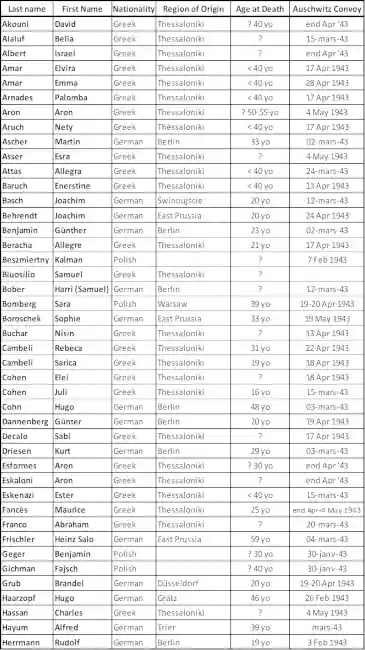
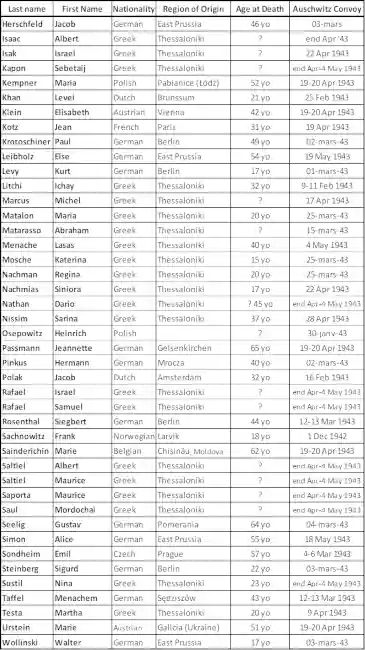
- It restores names. The inclusion of lists and images—for example, the identified victims of the “Hirt collection”—keeps the narrative from becoming a blur of faceless suffering.
- It follows through. Postwar chapters refuse tidy catharsis; they track trials, amnesties, and the long arc of remembrance, right down to a murderer dying comfortably decades later.
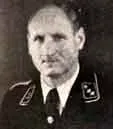
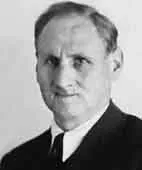
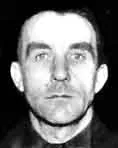
If These Are Men… – The Doctors of Struthof is a taut, devastating account of three physicians who swapped medicine for murder and called it progress. It’s also a rare hybrid: a novel that reads with the urgency of fiction while anchoring each scene to historical record, right down to the faces in the photographs
The marina books lovers
This harrowing tale will leave you speechless. You will be immersed in the abominable inner workings of racist rationale as events unfold. An unforgettable book.
The True Crime French Touch, the 3E Editions blog