The frame opens in La Santé Prison in 1946. A young guard, Pierre, takes over the night shift watching Petiot, the notorious Parisian physician on death row. Their first exchanges are terse, sparring, and electric. Petiot sizes up Pierre, nicknaming him “little sparrow,” and the guard, rattled but dutiful, tries to keep the upper hand. That intimate, claustrophobic setting -two men, bars between them, hours to kill- becomes the crucible for the book’s thirteen case studies. Each study is “told” by Petiot, as if he can prove that he, a doctor, cannot be the aberration Pierre believes, because physicians have always been capable of murder.
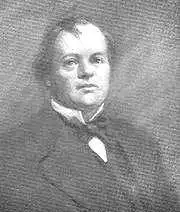
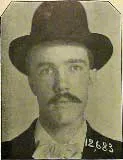
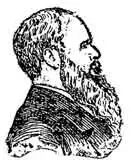
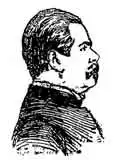
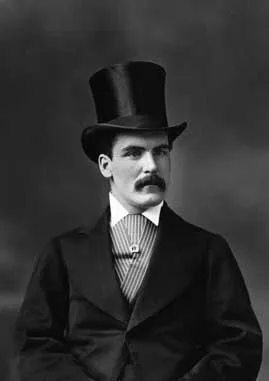
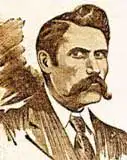
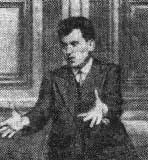
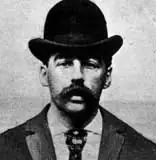
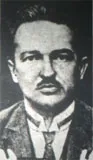
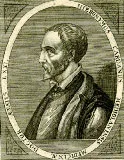
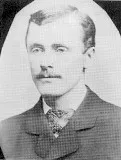
It’s a brilliant structural choice. Stories arrive as staged lessons, and they’re titled with avian proverbs and metaphors (“The Sparrow and the Eagle Owl,” “The Jay Dressed Up in Peacock Feathers,” “Happy as a Lark”), creating a chorus of fables whose morals are anything but simple. The table of contents reads like a gruesome cabinet of curiosities: Edmond Couty de La Pommerais (insurance, poison, and audacity); Hawley Harvey Crippen (domestic horror dressed in respectability); William Palmer and Théodore Durrant; Castaing; Bougrat; Gorguloff; the Jack the Ripper doctors (Cream and Klosowski); and H. H. Holmes’s “Murder Castle,” among others, braided with recurring chapters on Petiot himself.
Serge Janouin-Benanti gives the book heft by interleaving Petiot’s own arc -arrest, trial, grandstanding, eerie calm- with the guard’s mounting dread and fascination. The frame propels us inexorably to dawn and the guillotine (Petiot is executed at 5:05 a.m.), but the path to that final page is crowded with ghosts from medical history who make his case (and our judgment) anything but straightforward.
Read it for the cases. Read it for the forensic ingenuity. Read it for the portrait of a manipulator who, even at the end, tries to turn murder into a game, and for the guard who refuses to become his pawn.
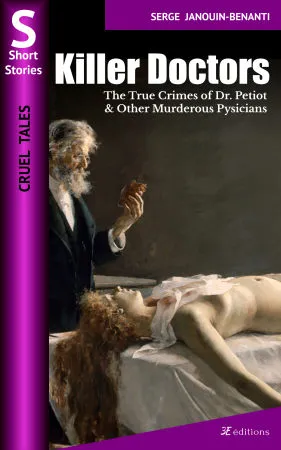
Killer Doctors examines thirteen portraits of physicians who, forgetting their Hippocratic oath, kill their patients, their friends, even their colleagues. Imaginative and sophisticated, they utilize poisons, gas, injections, pistols, scalpels to achieve their ends. So many unforgiving weapons…
Dive into the minds of these unusual murderers with a guide, an expert in medicine and criminality!
A mind-blowing book.