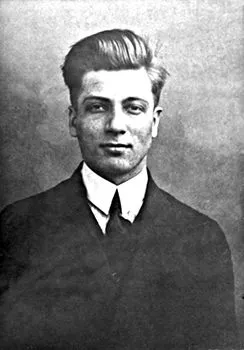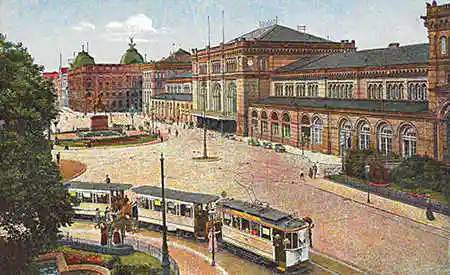
Picture this: Hannover, 1920s. A city staggering out of war, pockets empty, lights dim, the train station beating like a tired heart. Boys drift in with rain on their coats and hope in their eyes. One man is always watching.
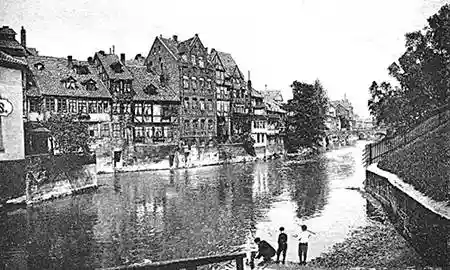
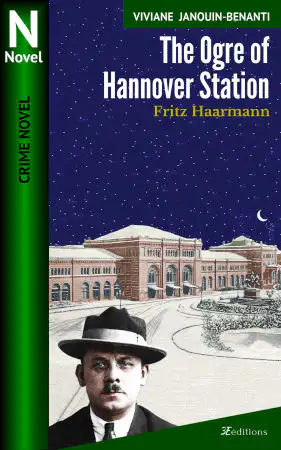
Viviane Janouin-Benanti’s The Ogre of Hannover Station: Fritz Haarmann isn’t just a true-crime story—it’s a razor-edged thriller wearing the cool gaze of history. The hook is simple and chilling: a petty crook with a policeman’s swagger turns the station into his hunting ground, hiding in plain sight while the city looks the other way. Informant by day, predator by night. A lover who’s trouble. A police chief who keeps telling himself the station is just the station—until the river starts giving back its secrets.
Viviane Janouin-Benanti builds suspense the way a conductor builds a crescendo: short, breath-catching chapters; recurring scenes at the platforms where departures are promises and goodbyes are permanent; families stepping into stark offices with a photo and a prayer. She doesn’t wallow in gore. She tightens the frame—on a hat on a peg, a new suit in a shop window, a name spoken too softly. The dread is earned, not shouted.
And then the investigation hits. Doors splinter. Rooms are searched. Evidence piles up like a storm cloud finally breaking. The city wakes. Courtroom theater follows—swagger, contradictions, a spotlight that makes the guilty preen and the grieving flinch. You’ll turn pages faster than a departure board flips.
Why this book, and why now? Because it’s about more than one monster. It’s about the small permissions we grant, the shortcuts we excuse, the uniforms we trust without blinking. It’s about how hunger and chaos make some people vanish and other people invisible. It’s about what it takes to see—really see—what’s been there all along.
If you crave the propulsion of a crime novel but want the spine of real history, this is your next read. Come for the station’s murmur and the noir-slick streets; stay for the meticulous unraveling, the moral clarity, the startling humanity. The Ogre of Hannover Station will keep you up late and leave you staring into the dark, listening for footsteps on tile. Turn the first page—and don’t plan on stopping.
_libre_droits_TP_W.webp)